

In Quebec, notaries are legally required to finalize the sale of a residential property. This is different from other Canadian provinces where lawyers typically handle the sale of a residential property.
In this article we look at what is the role of the notary in Quebec. More specifically we will cover:
- What is a notary in Quebec?
- What is the role of the notary is in a real-estate transaction?
- How to choose a notary
- How much does a notary cost?
- What happens when you meet the notary
- Final remarks
What is a notary in Quebec?
In Quebec, a notary is a legal professional and public officer who specializes in non-contentious (non-adversarial) law. Since the notary is a public officer, this means that means the notary is authorized by the government to perform certain official acts on behalf of the public. This includes the drafting of notarial acts such as real estate deeds, wills, marriage contracts, powers of attorney, and other legally binding documents that require official authentication.
Since a notary is a legal professional and public officer, they must uphold high standards of integrity, confidentiality, competence, and impartiality. Their work affects the rights and property of the public, so they are entrusted to act carefully and fairly. The Chambre des notaires du Québec monitors their behaviour, investigates complaints, and disciplines notaries who break the rules.
What is the role of the notary is in a real-estate transaction?
A notary in a real estate transaction acts as a neutral party whose role is to protect both the buyer, the seller and the lender (if there is one). Generally the notary will do this by answering any questions that either the buyer or seller has, as well as completing the following tasks.
- Examine the property titles
- Prepare the deed of sale
- Prepare the deed of hypothec
- Calculate adjustments
- Manage payments between parties
- Update the Quebec Land Register
Examine the property titles
The first step a notary takes in a real estate transaction is to examine the property title. This is a the legal record showing who owns the property and any associated rights, restrictions, or obligations. This ensures that when the title transfers to the buyer, the buyer gains full ownership along with any legal interests attached to the property.
To do this, the notary searches the Quebec Land Register to confirm that the seller is the legal owner and to review the property’s transaction history. This also allows the notary to uncover any hidden claims which could affect the property. For example, if a previous owner paid a contractor who failed to pay subcontractors or suppliers, those unpaid workers could register a construction lien against the property. This lien might pass to the new owner unless it is resolved before the sale in which case, the new owner could be responsible for paying the outstanding debt.
Once the notary is satisfied that the person selling the property is the current owner and there are no claims or liens against the property, they will prepare the deed of sale.
Prepare of the deed of sale
The deed of sale is a notarial act that officially transfers ownership of a property from the seller to the buyer. The notary will prepare this document based on the information in the accepted promise to purchase. This will include information like such as the names of the buyer and seller, the property description, the agreed-upon purchase price, any included fixtures or chattels, and the date of transfer.
Prepare the deed of hypothec
Next, if you are getting a mortgage, the notary will prepare the deed of hypothec. This is also a notarial act that officially registers the lender’s security interest in the property. The deed of hypothec will give the notary legal rights to the property until the mortgage is fully repaid.
Calculate adjustments
The notary also calculates any adjustments for interest, property taxes, or other fees that the buyer must pay at closing. These costs become part of the buyer’s closing costs. For example, the seller may have already paid the full year’s school and municipal taxes, even though you will own the property for part of that year. In this case, the notary will recalculate the taxes so the seller is reimbursed for the portion that applies to you, the new owner.
Manage payments between parties
Buying a home is a major and complex financial transaction. It often involves the buyer and lender transferring a large sum of money to the seller, who then uses part of it to pay their listing broker and the buyer’s broker.
The notary manages the entire transaction by first accepting the funds into a trust account. From there, they typically deduct their own fees, pay the buyer’s and seller’s brokers, and cover any adjustments such as property taxes, utility bills, or other prorated expenses. Once everything is settled, the notary transfers the remaining funds to the seller.
Update the Quebec land register
Once both the buyer and seller have signed the deed of sale, the notary updates the title in the Quebec Land Register. This officially transfers ownership to the buyer. To do this, the notary uploads the deed of sale, the certificate of location, the deed of hypothec if applicable, and any related agreements or documents required to complete the registration.
This step also allows notifies the municipality that a transaction has taken place. Once this happens, the municipality uses the details about the transaction to calculate the land transfer tax (also known as the welcome tax). This is a land transfer duty that the buyer must pay, no more than 90 days after purchasing. The notary should tell you how much this will be at closing and you will get a letter from the municipality within approximately 45 days of closing.
How to choose a notary in real-estate
The buyer will normally choose and pay for the notary, this is because most of the notaries work in the transaction is for the benefit of the buyer. However, remember even though the buyer chooses and pays for the notary, they remain a neutral party in the transaction.
Choosing the right notary is important because buying a home is a large financial transaction, one where small mistakes can end up costing thousands to fix. In this section we cover how to choose a notary for your real-estate transaction.
Check credentials
All notaries must be licensed and regulated by the Chambre des notaires du Québec, which ensures they meet professional standards and follow legal and ethical rules. You can search for licensed notaries directly on Google or on the Chambre des notaires du Québec website. If you find a notary through Google, it’s important to verify that they still hold a valid license. You can check this on the ou can check this on the Chambre des notaires du Québec website. Although rare, it does happen that notaries who have been suspended or had their license revoked continue to operate illegally.
Expertise
Notaries tend to specialize in different types of projects. As such, you want to make sure that the notary you are working with has extensive experience as a real-estate notary. You can validate this by calling the notary and asking them directly about their past transactions. You can also check their professional profile on the Chambre des notaires du Québec website, or reading client reviews and testimonials.
Proximity
One thing that buyers often overlook when choosing a notary is the proximity of the notaries office to your home address. You will need to visit the notary at least twice before the transaction concludes. As such, you should choose a notary who is easy to get to. This will limit the amount of time that you need to take off work to complete the transaction.
Language skills
In Quebec, all notarial acts are written in French. However, the notary should be able to provide English translations if you prefer to work in English. Meetings are typically conducted in French, unless both the buyer and seller agree to hold them in English. Some notaries speak French fluently but have limited English skills, which can make communication difficult, especially if you have questions. As such, it is important to consider language skills when choosing a notary, to ensure you fully understand the documents and can communicate your questions clearly.
Online reviews
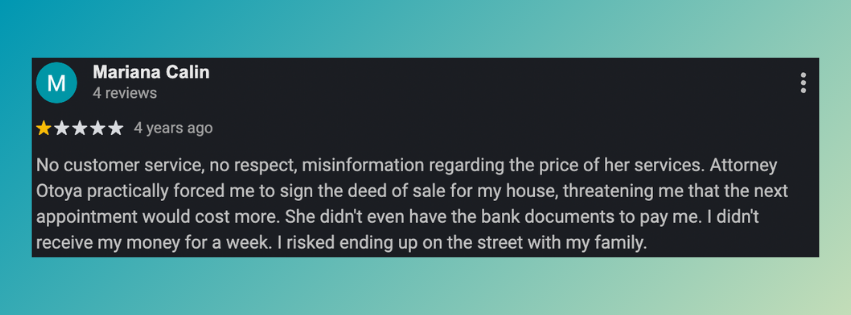
You can learn a lot about what it’s like to work with a notary from online reviews. Reviews can reveal whether a notary is responsive, transparent about fees, and professional. For example, a notary who is hard to reach or adds unexpected charges can make the process frustrating and stressful.
How much does a notary cost?
In Quebec, the notary fee normally falls somewhere between $1,700 – $2,800. The buyer pays for this as part of their closing costs, and the fees are normally added onto the total amount due at closing.
What happens when you meet the notary
Normally you will meet with the notary twice. The first time will be alone, to discuss the details of the transaction, review your documents, and address any questions you may have. The second time will be with the buyer (or seller) to sign the notarial acts and finalize the transaction.
As you prepare for your meeting with your notary, it is really important that you understand as best as you can what are the components of your transaction. The meetings tend to last 30 – 45 minutes which is not enough time to read and review all the documents. As such, you should know what are the important things to watch out for. These include the purchase price, down payment, loan terms, adjustments, land transfer tax and which notarial acts you are signing. After closing, you should also confirm with the notary that they have updated the title on the Quebec Land Register.
Final remarks
Notaries are a legal requirement of any real-estate transaction in Quebec. They are a typically found and paid for by the buyer however, they represent a neutral party in the transaction.
Their work involves examining property titles, preparing and registering notarial acts like the deed of sale and deed of hypothec, calculating adjustments, handling the transfer of funds, and ensuring the transaction complies with all legal requirements.
If you are unsure about anything, you can ask your relator to attend the notary with you.