
Housing in Montreal, and many other urban centres in Quebec, is very different from the English speaking provinces in Canada. Whereas typical Canadian cities such as Halifax, Toronto and Waterloo all follow the pattern of detached homes, that are broken up by high rise condo blocks apartment blocks.
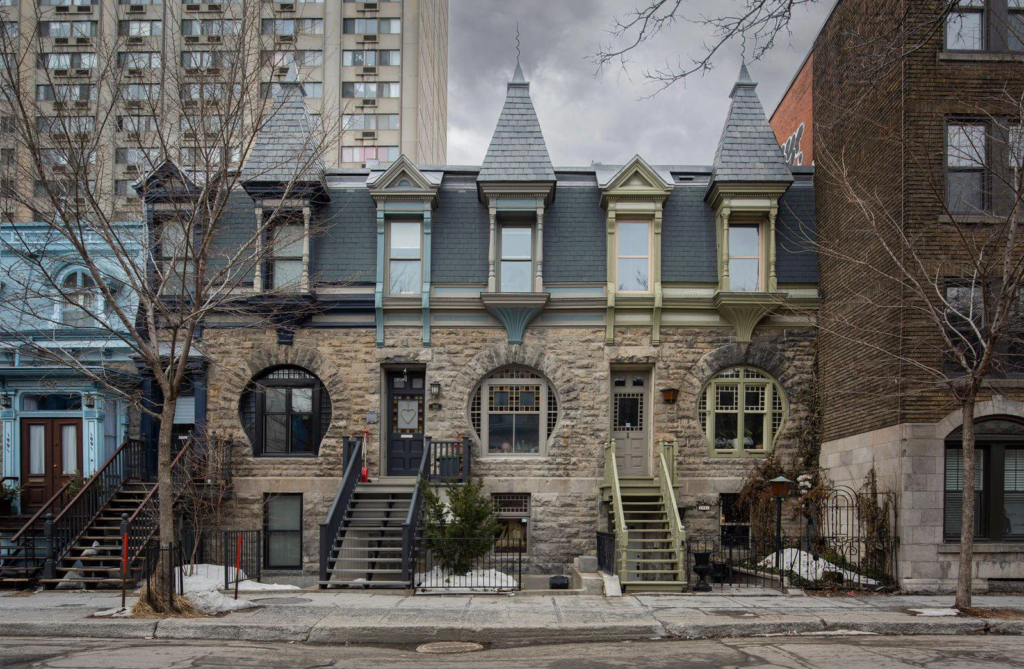
In Montreal on the other hand, the predominant housing stock is made up of plex’s (also called multi-plex), and other low rise, multi unit dwellings. These include townhouses, otherwise known as row houses.
In this article we look at:
- What is a townhouse exactly?
- What is a freehold townhouse?
- What is a condo townhouse?
- What is a stacked townhouse?
- What is a semi-detached townhouse?
- What are the pros and cons of each type of townhouse?
What is a townhouse?
A townhouse is a multi-level home that shares one or two walls with neighbour’s but has its own private entrance. Often they come with a small yard or patio and sit in a row of connected houses.
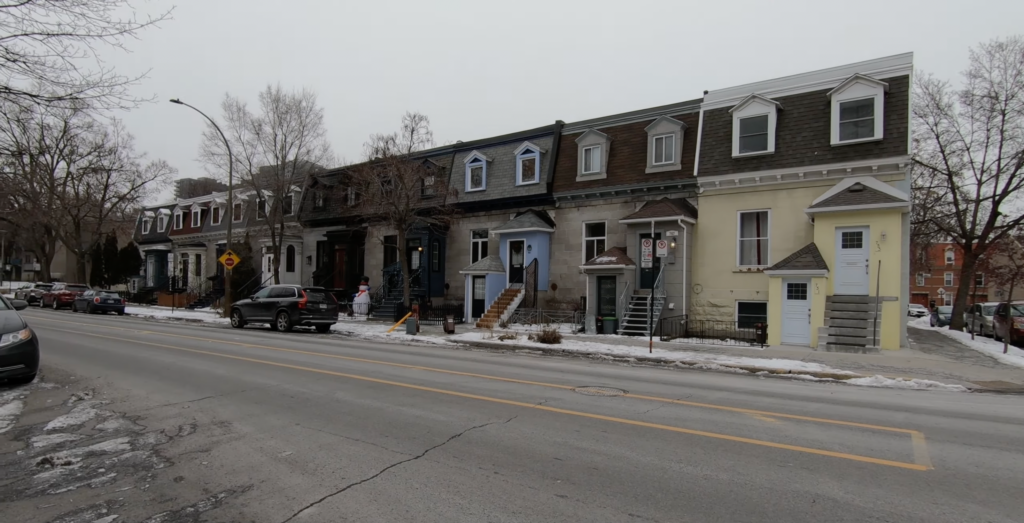
In Quebec, there are four types of townhouse. These are:
- Freehold townhouses: The owner owns both the house and the land it sits on.
- Condo townhouses: The owner owns the interior of the unit, while common areas like driveways or gardens are shared and managed by a condo association.
- Stacked townhouse: Multi-level unit stacked above and below another unit, often shares entrances or walls.
- Semi-detached townhouses: Two homes are attached side by side, each with its own entrance and land, but sharing a common wall.
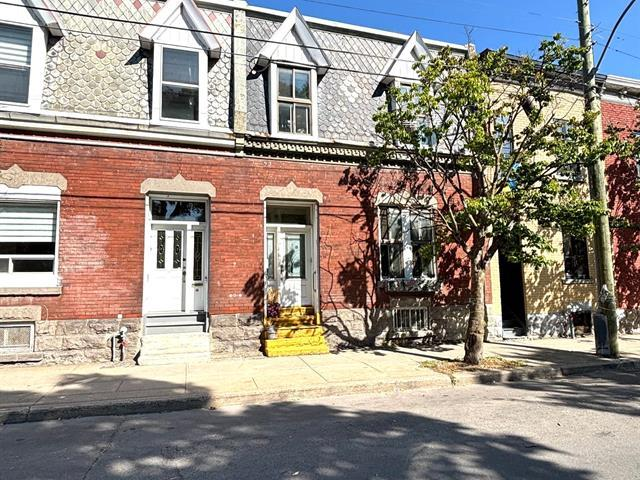
What is a freehold townhouse?
A freehold townhouse is a multi-level home that you fully own, including the land it sits on. You are responsible for everything in the house, as well as the yard, driveway, and the outside walls or roof. There are no condo fees, no co-owner meetings, and no syndicate. Everything is yours to manage and maintain as you like.
Freehold townhouses usually share one or two walls with neighbouring homes, but each unit has its own private entrance. Owning a freehold townhouse gives you more control over your property, because you don’t share common areas with other owners, and you can decide how to maintain and improve your home.
What is a condo townhouse?
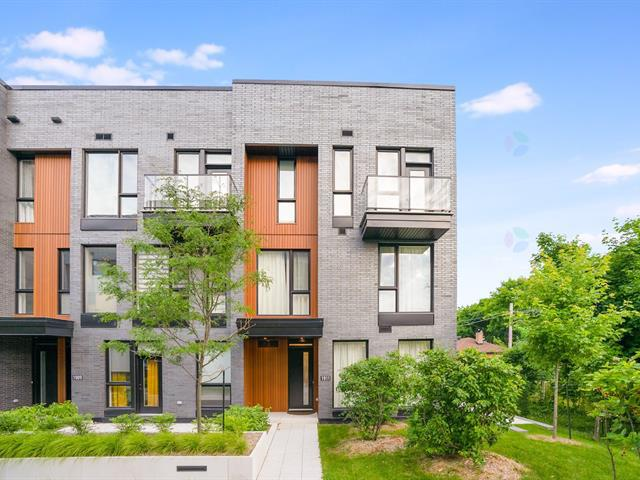
A condo townhouse is a multi-level home that you own, but only the inside of your unit is yours. The land, yard, driveway, and shared walls or exterior areas are owned and maintained together with the other residents through a condo association. This means you usually pay monthly condo fees to cover maintenance, repairs, and shared services.
Condo townhouses often have rules set by the association about what you can change or how you use common areas, but they give you the benefit of less personal responsibility for things like the roof, landscaping, or shared driveways.
What is a stacked townhouse?
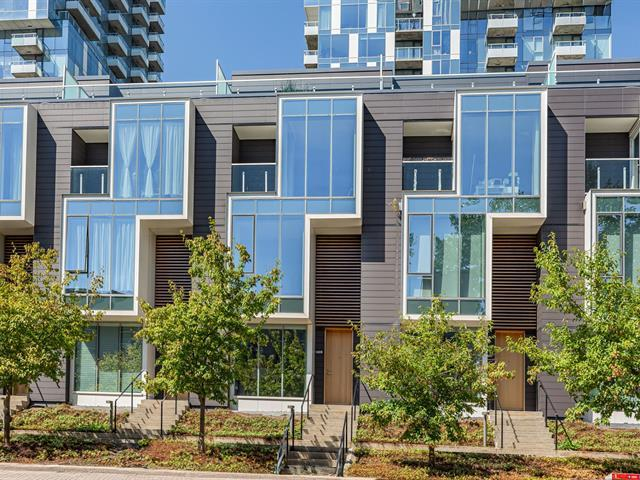
A stacked townhouse is a multi-level home that is built on top of another unit, rather than just side by side. Each unit usually has its own entrance, and you may share walls, ceilings, or floors with neighbours above or below.
Like other townhouses, stacked units give you private living space across multiple levels, but because they are stacked, they use land more efficiently in crowded areas. Owners often pay monthly fees to cover shared areas or building maintenance, but they still enjoy many of the benefits of a traditional townhouse, such as having multiple floors and a private entrance.
What is a semi-detached townhouse?
A semi-attached townhouse is a home that shares one wall with a neighbouring unit but otherwise sits on its own land and has its own entrance. Like other townhouses, it is usually part of a row of homes, but it only touches one other house instead of being fully in the middle of a row.
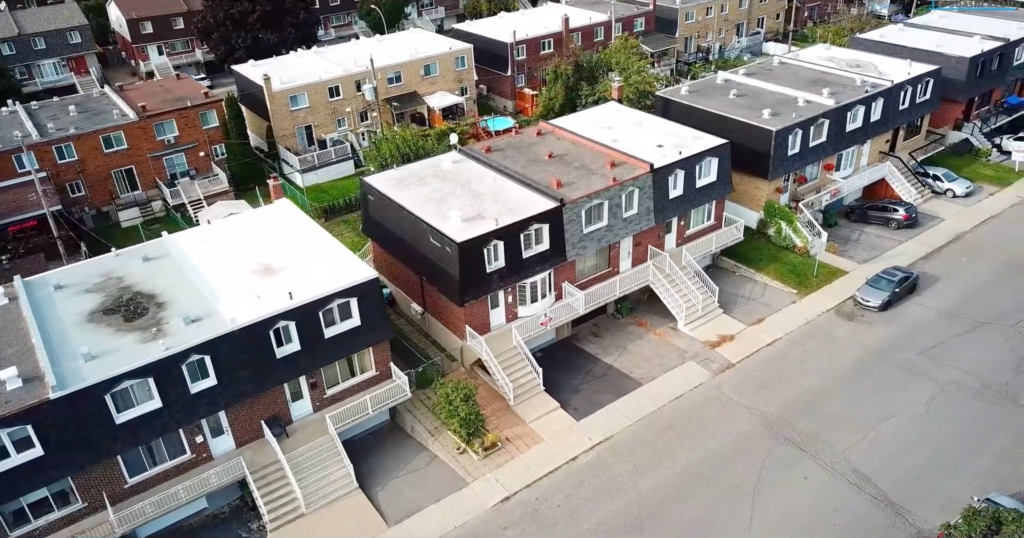
The main difference between a semi-attached townhouse and a semi-detached house is context and terminology:
- A semi-detached house usually refers to two homes built side by side, often in suburban areas, each with its own land and driveway.
- A semi-attached townhouse is similar, but the term “townhouse” emphasizes multi-level living in an urban or dense setting, sometimes with less land than a typical suburban semi-detached house.
In short, both share a wall, but the “townhouse” label usually suggests a row-style, multi-level home with smaller lots, while “semi-detached house” often implies a more spacious, suburban home.
What are the pros and cons of each type of townhouse?
The table below shows the pros and cons of each type of townhouse.
| Type of Townhouse | Pros | Cons |
|---|---|---|
| Freehold Townhouse | – Full ownership of house and land – No condo fees or co-owner meetings – Full control over maintenance and improvements | – Responsible for all repairs and maintenance – Can be more expensive upfront – Less help with shared areas like driveways or landscaping |
| Condo Townhouse | – Lower personal responsibility for maintenance – Shared costs for roof, landscaping, and exterior repairs – Often in convenient urban locations | – Monthly condo fees – Rules and restrictions set by condo association – Less control over exterior and shared areas |
| Stacked Townhouse | – Multi-level private living in a smaller footprint – Efficient land use – Usually lower cost than a full townhouse | – Shared walls, floors, or ceilings with neighbours – Monthly fees for shared areas – Less privacy and potentially more noise |
| Semi-Attached Townhouse | – Only shares one wall, so more privacy than middle units – Own land and entrance – Usually more spacious than stacked units | – Still shares a wall with neighbour – Responsible for some maintenance – Can be more expensive than a middle-unit townhouse |
Pros and cons of owning a freehold townhouse
Freehold townhouses generally appreciate in value faster than condos or other types of townhouse. This is because with a freehold townhouse you own the land your home sits on (not just the interior unit). That means as land becomes more scarce due to population growth, the property tends to reflect that land value.
In addition, freehold owners have full control over exterior and interior changes. This means that they can they can upgrade or renovate in ways that meaningfully increase resale value. This is harder for condo-owners to do since, modifications can only be made with condo approval. This means that all units in a condo look and feel roughly the same. As such, if your neighbour sells their condo unit for $400,000 and you want to sell your condo unit for $450,000, then it will be difficult to justify the higher price unless your unit has noticeably better finishes, views, or upgrades that the syndicate allowed.
The main downside to owning a freehold townhouse is that you are all alone to manage the property yourself. Although the autonomy to do what you want to the property can be great, it generally means more time and can be more expensive compared to a condo. For instance, you will need to organize things like snow removal, lawn mowing and yard maintenance. You’ll also be responsible for all exterior repairs and seasonal upkeep, which can add both time and cost compared to condo living.
Lastly, in a condo there are strict rules and guidelines about what your neighbours can do. For instance, no parties after 10pm on a weekday, updates to windows must conform to condo guidelines and so on. However, in a freehold townhouse, there is nothing to prevent your neighbours from noisily partying into the night seven days a week. In addition, bad neighbours can actually lower the value of your townhouse by making exterior changes that make the entire row look less appealing.
Pros and cons of owning a condo townhouse
As a rule of thumb, condo townhouses are significantly cheaper than freehold townhouses. There are four main reasons for this.
First, land ownership drives value. Freehold townhouse owners own the land beneath their home. This land is scarce and tends to appreciate over time as neighbourhoods get more dense. This can add significant long-term value compared to condos.
Second, condo townhouses have less autonomy. Condo owners face restrictions on exterior and structural changes. This limits their ability to customize or upgrade the property in ways that could increase its value.
Third, perceived risk and demand. Buyers are often willing to pay a premium for freehold townhouses because they offer more control, privacy, and flexibility. This makes them more desirable in the market.
Lastly, maintenance costs are internalized differently. Condo owners share the cost of upkeep with the association. This keeps expenses predictable (and often lower) but, it can also limit opportunities for individual improvements that can boost resale value.
In short, the main pro of a condo townhouse is that it is lower cost compared to a freehold townhouse. However, this lower cost is reflected in the resell value and price appreciation. Remember, the value of the house is driven by supply and demand. If you own a freehold townhouse in an area that is undesirable this will still be cheaper and appreciate in value slower than condo townhouses in high demand areas.
Pros and cons of owning a stacked townhouse
Stacked townhouses are a popular urban housing option that combine elements of both townhouses and condos. The main advantages is affordability. Stacked townhouses are typically cheaper than other types of townhouses because they look, feel and operate more like multi-story units inside a low-rise condominium. What they do offer is affordable living in urban areas for families who need more space but cannot afford the other kinds of townhouse or a fully detached house.
However, there are trade-offs. The units are stacked vertically and therefore share floors, ceilings, and walls with neighbours. This can create privacy and noise concerns. Owners also have limited control over exterior changes, building appearance, and structural modifications to their units. This is because these kinds of changes are managed by the condo association.
You’ll also have condo fees, which can be higher or lower than the costs of managing a freehold townhouse yourself. This depends on how well the condo’s finances are handled.
Pros and cons of owning a semi-attached townhouse
Semi-detached townhouses have many of the same pros and cons as freehold townhouses. This is because like freehold townhouses, semi-detached townhouses involve owning your unit and the land it sits on. This gives you full control over renovations and exterior changes, while also making you responsible for all maintenance and repairs.
However, semi-detached townhouses are even more desirable than freehold townhouses that sit in a row. This is because they only have one shared wall. This means that they offer more privacy, compared to a row of freehold townhouses, which share walls on both sides. They also generally have more natural light, thanks to having only one shared wall and more exposed exterior surfaces.
All that being said, the trade off is that the cost of maintenance for a semi-detached townhouse is higher. For instance, you’ll be responsible for all exterior upkeep, landscaping, snow removal, fixing cracks in the wall and foundation and roof repairs.
Final thoughts
Buying a home in Quebec can feel overwhelming.
There are many different property types and neighbourhoods, each that offers you a different lifestyle, it is easy to feel uncertain about where to start.
Add to that the significant financial commitment and the reality that you’ll likely need to live in your home for at least 5–10 years to recoup your investment, it is clear that buying a house is something you need to commit serious thought to.
We hope this article has given you a clearer picture of what to expect from different types of townhouses and helped you think critically about the lifestyle and financial considerations that come with each option.
Need a realtor?
When choosing a realtor, local expertise and knowledge of the property type are crucial. While Quebec has over 17,000+ realtors, only a small number are truly active and knowledgeable within specific neighbourhoods.
Immovision has developed a free Broker Matching Tool, that uses a human in the loop AI system to find the agents who are active in your area and who consistently outperform the local market by as much as 20% across key metrics.
Click the link below to get your personalized list of top-performing realtors in minutes now — completely free.
Try out our Broker Matching Tool now – no credit card required.