
Is My Property in a Pyrite Risk Zone?
|
Check whether your Montreal-area property is located in a known high-risk pyrite zone.
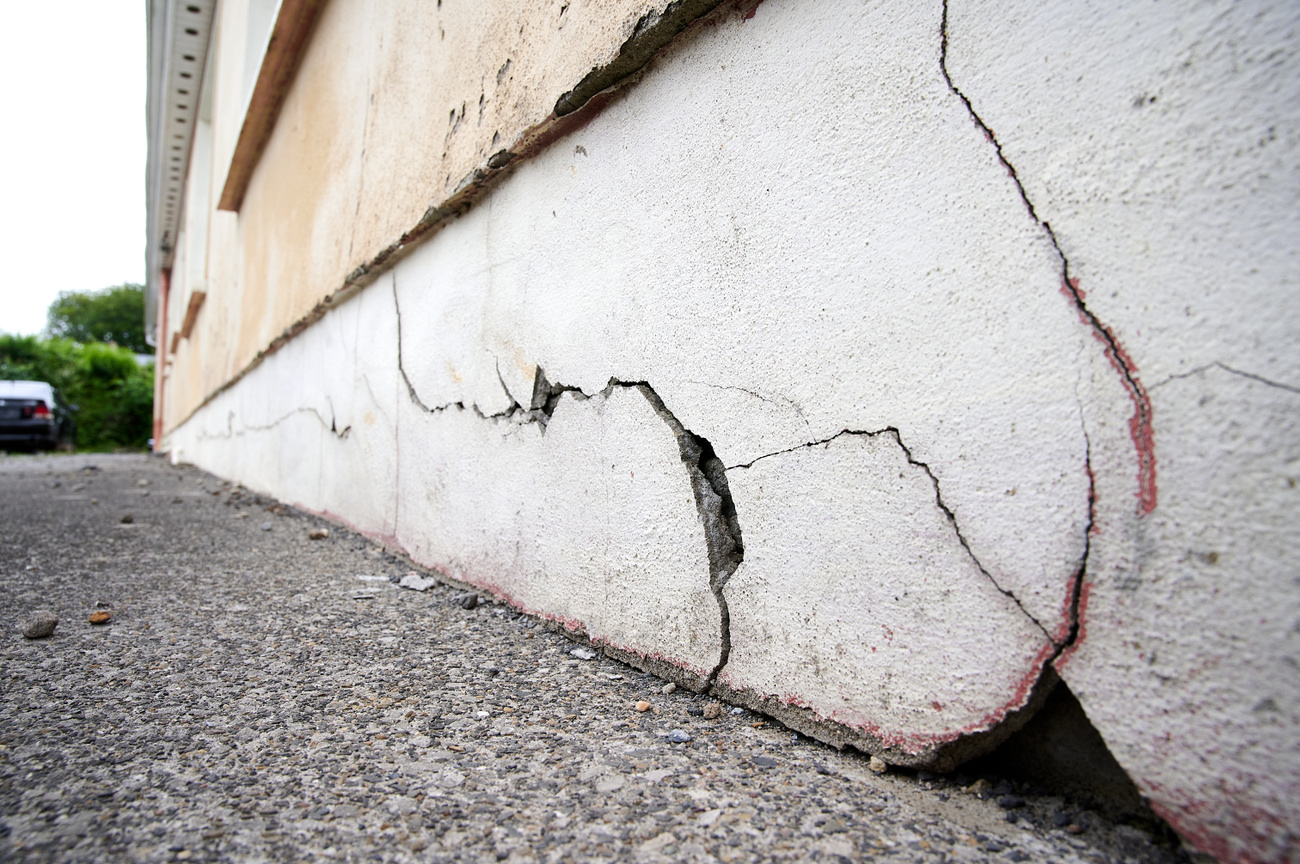
What is pyrite risk in Montreal?
Pyrite is a mineral that can be present in the stone backfill used under concrete slabs and around foundations.
Under certain conditions, it can oxidize and expand, potentially causing slab lifting, cracks in foundations, and structural damage over time.
Some areas of Greater Montreal have historically shown higher concentrations of pyrite-related issues.
This tool screens your property location against known high-risk zones — but it does not replace a certified soil analysis.
How Pyrite Risk Is Determined
According to guidance from the Organisme d’autoréglementation du courtage immobilier du Québec (OACIQ), certain areas of Greater Montreal have historically shown higher concentrations of pyrite-related cases.
These include specific parts of:
- The South Shore corridor (from Châteauguay to Varennes)
- The East End of Montréal (including Rivière-des-Prairies and Pointe-aux-Trembles)
- The West Island (including Lachine, Dorval, Dollard-des-Ormeaux, Pointe-Claire, Kirkland and Beaconsfield)
An automated risk screening identifies whether your property is located within one of these historically identified zones.
However, only a laboratory soil analysis conducted under CTQ M-200 methodology can determine whether pyrite is actually present, and at what concentration.
Automated Screening vs. On-Ground Laboratory Test
Understand the difference between a location-based risk check and a certified soil analysis.
| Automated Risk Check | On-Ground Laboratory Test | |
|---|---|---|
| Location-based risk screening | ||
| Based on OACIQ high-risk zones | ||
| Identifies highest-risk municipalities | ||
| Property-specific soil sampling | — | |
| Measures actual pyrite concentration (%) | — | |
| Determines swelling risk severity | — | |
| Recognized CTQ M-200 laboratory methodology | — | |
| Provides certified written report | — | |
| Suitable for legal disclosure | — | |
| Determines if repairs are required | — |
Frequently Asked Questions
Everything you need to know about hiring the best realtors in Montreal
Take their word for it

First-time home buyer
A great resource for our first home buying experience. With great patience and knowledge about the needs and procedures of Quebec real estate.
First-time home buyer
Very knowledgeable about Montreal real estate. Made buying my first home easy and helped me avoid houses with hidden issues. Always explained potential problems clearly.

Home buyer
More than just an agent — a true ally! Knowledgeable, honest, and helps you avoid traps disguised as "good deals." Thanks to this guidance, we found an INCREDIBLE home and felt confident every step of the way.
Check Your Pyrite Risk
Get your instant location-based screening — and know if a certified test may be recommended.